


See more of our trusted, verified journalism when you search on Google.
European powers have formally moved to revive United Nations sanctions against Iran, escalating tensions with Tehran and injecting new urgency into the already fraught nuclear standoff. The decision marks one of the most serious diplomatic confrontations between European E3 and Iran since the collapse of the 2015 nuclear deal, formally known as the Joint Comprehensive Plan of Action (JCPOA).
French Foreign Minister Jean-Noel Barret emphasized that the step did not mark the end of diplomacy, while his German counterpart Johann Wadephul urged Tehran to fully cooperate with the U.N. nuclear watchdog and commit to direct talks with the United States in the up-coming month.
France, Germany, and the United Kingdom known collectively as the E3 announced that Iran had persistently violated its commitments under the JCPOA by enriching uranium well beyond agreed limits and restricting international inspections. European diplomats argue that Tehran’s nuclear advances leave them with “no choice” but to trigger the UN’s “snapback” mechanism, a process that automatically reinstates sanctions lifted under the 2015 deal.
Also Read: Peter Navarro Says Trump Could Be Eligible for the Nobel Prize in Economics
In an attempt to avoid these sanctions, Iran has turned to Russia for help, and Moscow and Beijing have written a U.N. resolution requesting a delay of six months in their implementation. However, any such resolution can be vetoed by European officials.
Officials explained that the August deadline was chosen deliberately, as Russia assumes the chair of the Security Council in October and could attempt to delay the sanctions through procedural maneuvers. Analysts note that this timing is significant because the 2015 deal itself is set to expire that month, raising fears that Moscow might exploit the calendar to shield Tehran further and complicate enforcement.
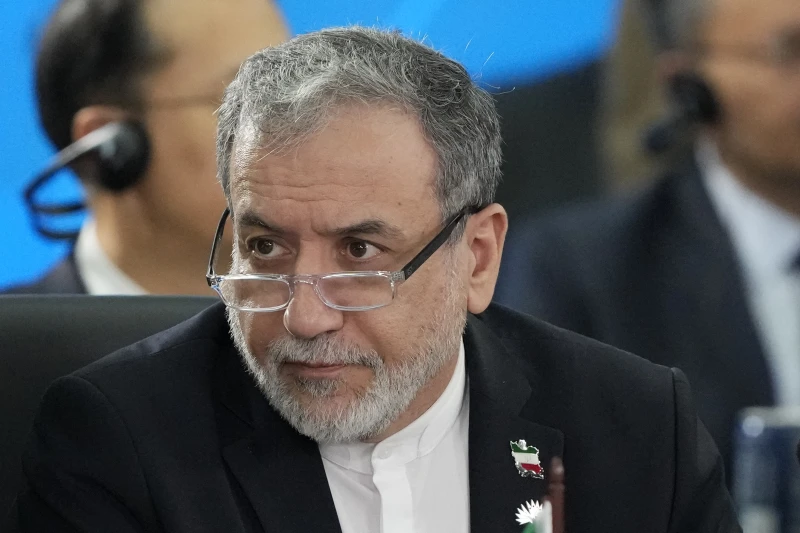
Iran has stated that it would withdraw from the Nuclear Nonproliferation Treaty, a different agreement that regulates the actions of its signatories to stop the spread of nuclear weapons, if the sanctions are lifted. There is a three-month notice period before leaving it.
The mechanism, enshrined in UN Security Council Resolution 2231, was designed as a safeguard to deter Iran from breaching the accord. By invoking it now, the European union are not only increasing economic pressure on Tehran but also signaling a sharp break from years of cautious diplomacy.
Iran has condemned the move as illegitimate, accusing European of caving to U.S. pressure and abandoning its own commitments under the deal. Officials in Tehran warned that the decision could provoke a “serious response,” with hardliners in the Iranian parliament already urging the government to expand uranium enrichment further and scale back cooperation with the International Atomic Energy Agency (IAEA).
The E3, however, stressed that this step was not meant to close off dialogue, noting they would continue to engage with Iran over the next 30 days on any serious diplomatic efforts to restore compliance. British Foreign Secretary David Lammy added that the UK and its European allies had recently offered an extension of sanctions relief, contingent on Iran meeting clear conditions.
Iranian media framed the move as a betrayal, emphasizing that European had failed to uphold promises of economic relief after the U.S. unilaterally withdrew from the JCPOA in 2018 under President Donald Trump. The return attempt is seen by many in Tehran as a component of a larger Western plan to diplomatically isolating Iran while stoking internal conflict.
Global Repercussions
The reimposition of sanctions carries sweeping consequences. Once reinstated, the measures could restrict Iran’s access to international banking systems, curtail vital oil exports, and freeze assets abroad. The move also risks further destabilizing the Middle East, where Iran has influence through proxy groups in Lebanon, Iraq, Syria, and Yemen.
The Biden administration, while publicly backing diplomatic engagement, has expressed quiet support for the European decision. Washington has long argued that Iran’s nuclear advances pose an unacceptable threat, particularly as the country edges closer to weapons-grade enrichment levels.
Russia and China, however, have signaled opposition to the snapback, warning that it could fracture the UN Security Council and undermine what little remains of the JCPOA framework. Both countries have deepened their economic and security ties with Tehran in recent years and may work to blunt the impact of renewed sanctions.
Something Happens Next
Analysts warn that the coming weeks will be critical. If sanctions are reinstated, Iran faces an even deeper economic crisis at home, potentially fueling unrest as inflation and unemployment climb. At the same time, Tehran may seek to retaliate by accelerating its nuclear program or expanding its regional military posture, heightening the risk of direct confrontation.
Actually manufacturing a nuclear weapon would take more time, however, and the IAEA has stressed that while it cannot guarantee Iran’s program is entirely peaceful, it has found no credible evidence of a coordinated weapons project. Western governments argue that Tehran’s enrichment levels and technological advances go well beyond civilian energy needs, while Iranian officials insist the program is aimed solely at peaceful power generation.
For European, the gamble is clear: apply maximum diplomatic and economic pressure now, in the hope of forcing Iran back to negotiations, or risk watching the nuclear deal collapse entirely. But the urgent blowback from Tehran’s defiance to geopolitical friction at the UN underscores just how perilous the path ahead may be.
See more of our trusted, verified journalism when you search on Google.