

See more of our trusted, verified journalism when you search on Google.
Oil prices have surged above $100 per barrel again, underscoring the growing strain on global energy markets as geopolitical tensions and supply disruptions continue to shake confidence. The move comes despite governments releasing a record amount of crude oil from strategic reserves in an attempt to stabilize prices.
Brent crude and U.S. benchmark West Texas Intermediate both climbed past the $100 mark in recent trading sessions, pushing the oil price above $100 and intensifying concerns across global energy markets.
The jump came despite the International Energy Agency (IEA) announcing on Wednesday that it would release a record 400 million barrels of oil from emergency reserves in an effort to curb the economic fallout from the ongoing U.S.–Israel war with Iran.
Analysts say the surge in oil prices reflects deep worries about supply disruptions and the growing risk that the conflict could further disrupt oil flows from the Middle East.
Governments in major consuming countries had hoped that releasing large volumes of oil from strategic reserves would ease market pressure. The United States alone has announced plans to release 172 million barrels from the Strategic Petroleum Reserve, one of the largest emergency drawdowns in history.
Even with these measures, the International Energy Agency warns that global oil supply could fall by about 8 million barrels per day in March. The agency said direct damage to energy infrastructure linked to the conflict is also contributing to the supply shock, deepening concerns as the oil price above $100 continues to pressure global markets.
Also Read: Historic India Canada Breakthrough: $1.9B Uranium Deal Sealed
However, traders and energy analysts say the reserve release has only provided temporary relief. Markets remain focused on the possibility that the Iran conflict could disrupt a significant portion of global oil exports. The Middle East accounts for roughly a third of the world’s oil supply, and any sustained interruption could tighten markets dramatically.
Energy experts say the current crisis has created one of the most volatile periods for oil prices in recent years, as disruptions across the Gulf threaten a large share of global energy supply. Analysts estimate that the market could be losing nearly 20 million barrels of oil per day from the region as tensions escalate.
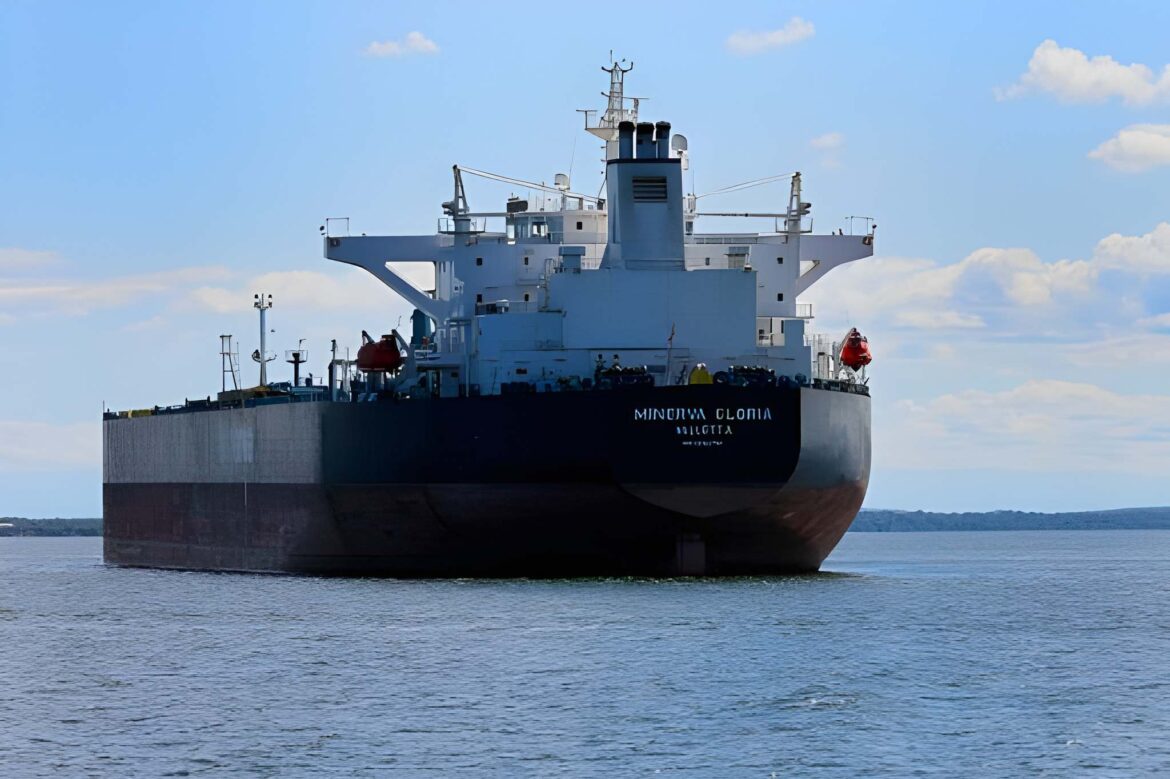
Shipping risks in key routes such as the Strait of Hormuz have also raised serious concerns among traders, insurers, and shipping companies. The waterway is one of the world’s most important oil transit routes, and any threat to tankers moving through the corridor immediately affects global supply expectations.
While emergency reserves are being released, analysts warn that the scale of the problem is far larger. The global market consumes more than 100 million barrels of oil each day, meaning that even a release of hundreds of millions of barrels only partially offsets the massive supply losses now affecting the market.
Demand has also remained stronger than expected in several major economies, adding further pressure on supplies. As global travel and industrial activity continue to recover, consumption of petroleum products has stayed robust, limiting the impact of emergency stock releases.
In the United States, the White House said it is considering suspending the Jones Act, a law that requires goods transported between U.S. ports to be carried on American‑built and American‑flagged ships. Officials are examining the move as part of a broader effort to ease logistical constraints and help contain rising energy prices as oil prices remain elevated.
For consumers and businesses, the return of oil prices above $100 raises concerns about inflation and economic stability. Higher fuel costs can quickly feed into transportation, manufacturing, and food prices, affecting economies worldwide.
Market analysts say the direction of oil prices in the coming weeks will depend largely on geopolitical developments and whether additional supply can reach the market. For now, the rebound of oil prices above $100 highlights the fragile balance between global supply and demand in an increasingly uncertain energy landscape.
See more of our trusted, verified journalism when you search on Google.