


See more of our trusted, verified journalism when you search on Google.
As its turnaround efforts since emerging from a previous Chapter 11 reorganization in March were thwarted by diminishing cash reserves and growing losses, the U.S. no-frills pioneer Spirit Airlines filed for fresh Chapter 11 bankruptcy protection on Friday. Concerns regarding the airline’s financial stability and the future of low-cost travel have been rekindled by the second filing in as many months.
In its previous bankruptcy, Spirit debtholders agreed to exchange $795 million in debt for equity, giving the airline temporary relief. Spirit, however, refrained from taking more drastic cost-cutting steps like returning leased aircraft, reducing its fleet, or lessening its overall presence. According to industry analysts, Spirit exposed itself by avoiding these more difficult choices, as the advantages of the previous restructuring were swiftly undermined by growing expenses and high fixed costs.
The business declared for bankruptcy under Chapter 11 in the Southern District of New York. With regard to possible funding that might be required later in the proceedings, Spirit stated that it was collaborating effectively with its secured noteholders. According to executives and industry commentators, Spirit’s ongoing struggles stem from its failure to meaningfully address its oversized cost structure during the initial bankruptcy process.
The spirit airlines continued to shoulder heavy fixed costs and mounting obligations, leaving little flexibility when travel demand softened. In the most recent quarter, Spirit’s operating expenses surged to $1.2 billion equal to 118% of its quarterly sales underscoring how expenses far outpaced revenues and accelerating the path toward its second Chapter 11 filing.
Facing Financial Difficulties
Spirit Airlines, known for its bright yellow planes, had expected to emerge stronger from its previous bankruptcy, which it entered in November and exited in March. Executives had hoped that debt restructuring would stabilize the carrier, but the airline was dragged down by persistently high operating costs, weaker U.S. domestic travel demand, and growing pressure from low-cost competitors. Industry observers note that these headwinds, coupled with limited flexibility to cut expenses, eroded much of the progress Spirit anticipated from its earlier reorganization.
Also Read: USA Q2 GDP Rises to 3.3% as AI boost Business Investment and Growth
The company Spirit Airlines has been grappling with rising fuel prices, increased labor costs, and slowing demand on some of its key routes. While Spirit built its reputation on offering no-frills, ultra-low-cost fares, its business model has been under heavy pressure. Analysts point to stiff competition from other low-cost carriers like Frontier and Southwest, as well as larger airlines that have recently rolled out more basic economy options to capture price-sensitive travelers.
Adding to its woes, Spirit has also been dealing with operational disruptions, aircraft maintenance delays, and high levels of debt. Just weeks before its latest filing, the airline warned that it might not survive the year without a significant boost in cash.
It disclosed that its credit card processor was demanding additional collateral, prompting Spirit to draw the entire $275 million available under its revolving credit facility. The carrier also revealed that the processor could withhold up to $3 million a day, further squeezing liquidity. These mounting financial strains created a perfect storm, ultimately forcing Spirit into another round of bankruptcy protection.
Industry Reactions
The Spirit Airlines industry is watching closely. Aviation experts say that Spirit’s financial troubles highlight the vulnerability of ultra-low-cost carriers, especially when broader economic conditions such as inflation and rising interest rates put pressure on discretionary travel spending.
Some competitors may see Spirit Airlines misfortune as an opportunity. Frontier, which had previously attempted to merge with Spirit, could revisit expansion strategies, while larger carriers may benefit from reduced competition on certain domestic routes. Spirit stated that all employees, including contractors, will continue to receive their salaries and benefits. Additionally, it will fulfill its future commitments to its suppliers and vendors during the bankruptcy process.
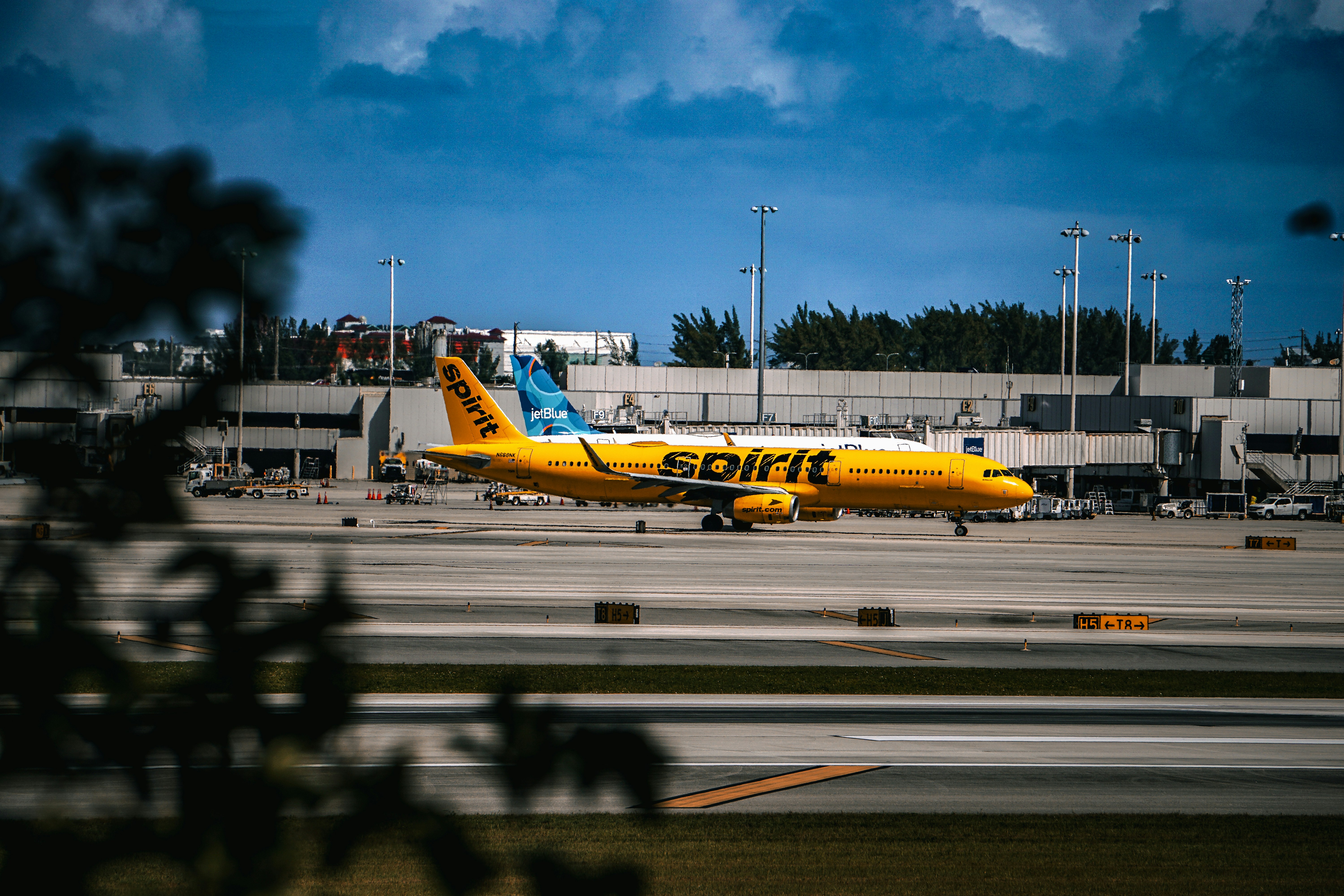
For passengers, the immediate concern is what happens to existing bookings and planned travel. Spirit Airlines has stated that it will continue operating flights during the restructuring process, assuring travelers that tickets remain valid and operations will proceed as scheduled.
Still, travel experts urge caution: bankruptcy proceedings often result in adjustments such as route changes, trimmed schedules, or even higher fares. According to recent reports from CNN, industry analysts believe customers should monitor updates closely, as disruptions could affect certain domestic routes and ancillary services like baggage handling or loyalty programs.
It reported a $1.2 billion net loss last year, which was made worse by the failure of a $3.8 billion merger with JetBlue Airways and issues with RTX’s Pratt & Whitney engine supply that resulted in the grounding of numerous Airbus aircraft. There are major worries regarding Spirit Airlines’ long-term viability in light of its second bankruptcy filing. The airline may be able to reduce some of its debt and streamline operations with restructuring, but the future seems unsure.
Spirit is currently putting its low-cost model to the test in a way that has never been done before. Before converting to aviation in the 1980s, Spirit started out as a long-haul shipping company in 1964. Early on, it operated vacation packages under the name Charter One Airlines.
It rebranded as Spirit in 1992 and built its reputation as a discount carrier for budget-conscious travelers willing to skip extras like checked bags and seat assignments. Spirit Airlines is currently trying to stay in business, but investors, business insiders, and passengers will be keenly monitoring the airline to see whether it can survive the crisis again.
See more of our trusted, verified journalism when you search on Google.