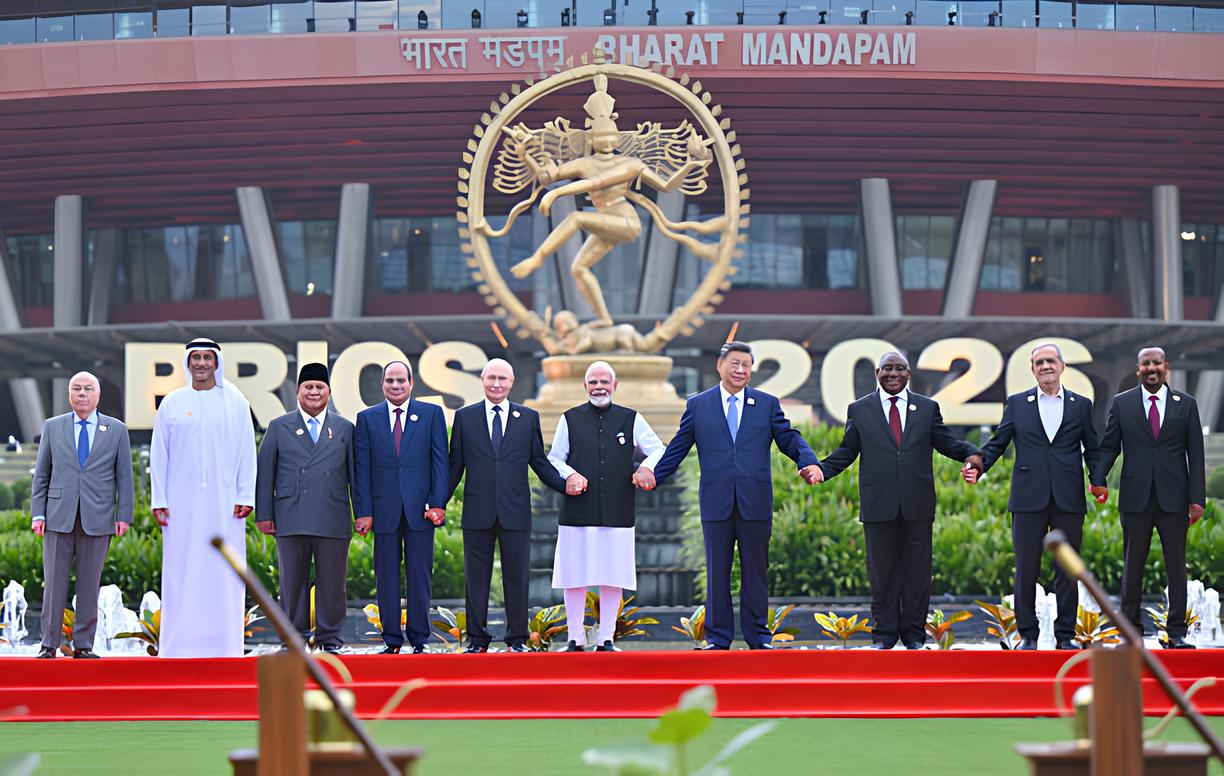
The BRICS Summit 2026 in New Delhi concluded with member countries issuing a declaration on global governance, trade, technology, sustainability, payments, and international security, underlining the growing clout of the expanded grouping. As the global economy and international politics are going through a turbulent phase, India hosted the 18th BRICS Summit in New Delhi on September 12-13.
India hosted the summit with the theme “Building for Resilience, Innovation, Cooperation, and Sustainability.” The meeting also commemorated 20 years of BRICS cooperation and offered New Delhi a chance to steer the grouping toward practical, development-oriented initiatives.
Major Global Leaders Gather BRICS
Some of the world’s most powerful leaders gathered in the Indian capital, demonstrating the growing diplomatic clout of the grouping. Indian Prime Minister Narendra Modi, Chinese President Xi Jinping, Russian President Vladimir Putin, and South African President Cyril Ramaphosa co-hosted the summit. Xi’s presence was particularly important, as it was his first visit to India in seven years, and the summit assumed greater significance as New Delhi and Beijing looked to resolve their long-term bilateral differences.
Other leaders of BRICS countries who attended the event were Iranian President Masoud Pezeshkian, Egyptian President Abdel Fattah el-Sisi, Indonesian President Prabowo Subianto, and Ethiopian Prime Minister Abiy Ahmed. Their participation was a reflection of the wider geographical spread of the enlarged grouping.
The UAE delegation was headed by Abu Dhabi Crown Prince Sheik Khaled bin Mohamed bin Zayed Al Nahyan, and Saudi Arabia was represented by Foreign Minister Prince Faisal bin Farhan Al Saud. Brazil was represented by Foreign Minister Mauro Vieira instead of President Luiz Inácio Lula da Silva, who is one of the original BRICS members.
High-ranking leaders and representatives from submit partner countries and international organizations also attended the summit. The wider summit program included prominent participants such as Malaysian Prime Minister Anwar Ibrahim, Philippine President Ferdinand Marcos Jr., Kazakh President Kassym-Jomart Tokayev, and UN Secretary-General António Guterres.
It is the largest country to endorse the New Delhi Declaration, which reaffirms the principles of sovereign equality, mutual respect, inclusiveness, cooperation, and consensus. The statement called for a more representative and effective international system and backed efforts to reform global governance institutions. Leaders also called for more multilateralism and a bigger voice for emerging and developing economies.
In 2006, Brazil, Russia, India, and China created BRICS, which was then known as BRIC. Four years later South Africa joined the group, which then took on its current name, BRICS. The bloc has since expanded to include Egypt, Ethiopia, Iran, the United Arab Emirates, Saudi Arabia, and Indonesia, stretching its influence across the Global South.
West Asia Tests BRICS Unity
One of the toughest diplomatic challenges for the expanded bloc was the West Asia conflict. BRICS members expressed “deep concern” about the continuing escalation and called for maximum restraint and diplomacy. But the declaration made no specific mention of the United States, Israel, Iran, or the Gulf states regarding the conflict. Given the differing interests and foreign-policy priorities of the BRICS members, the war was one of the biggest tests of whether the enlarged BRICS could find a common position.
That was a significant check. Iran and the UAE are both BRICS members but have been on opposite sides in the regional crisis. So, despite those differences, getting consensus was an important diplomatic achievement for India.
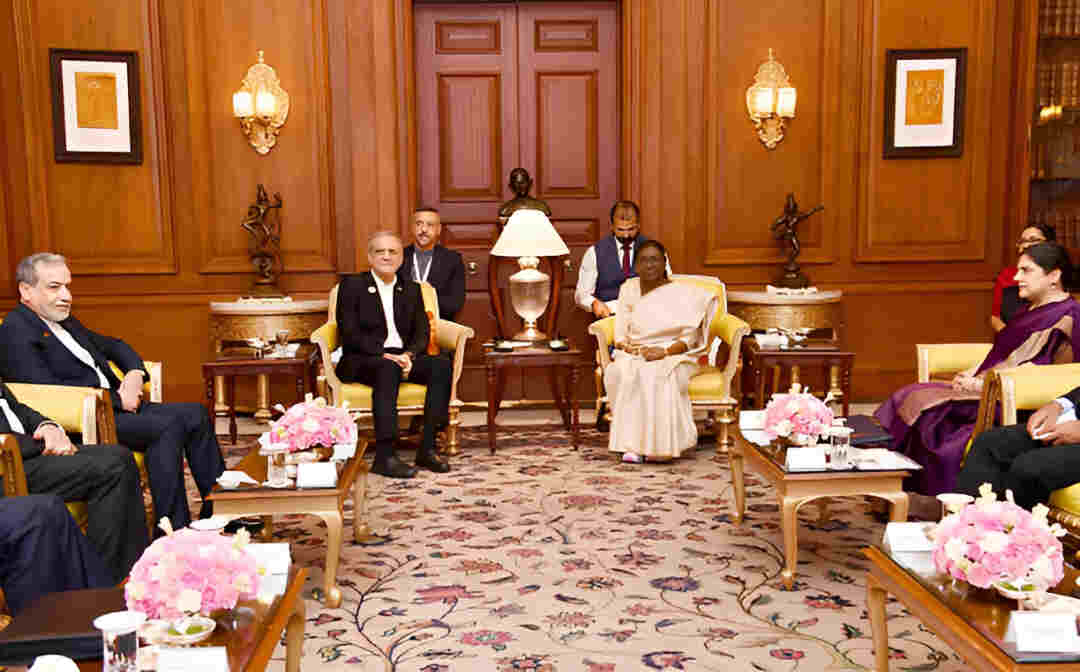
Prime Minister Narendra Modi has said that BRICS is an important platform for the Global South, where developing countries get a bigger role in deciding international rules instead of being forced to follow decisions taken elsewhere.
The group’s growth has led to a wider geographical spread across Asia, Africa, the Middle East, and Latin America. The economic and demographic weight of BRICS has combined to make the grouping a forum of growing importance in debates over the future international order.
At the same time, India has emphasized that BRICS is not merely an anti-Western or anti-American bloc. Its members have strong economic and diplomatic relations with countries outside the bloc, including the United States and European countries.
Trade, Payments, and Technology Lead
The member countries supported efforts to simplify cross-border money transfers and to settle trade transactions more often in national currencies. The main aim is to accelerate and reduce costs and dependency on existing financial channels for transactions among member economies.
The proposal also included a large technology component. China proposed that the nations increase cooperation on AI, including the idea of a “BRICS AI Open Source Zone.” Other members discussed collaborating on digital development, essential minerals, energy, health care, and long-term growth. There was also concern about attacks on civilian infrastructure and peaceful nuclear installations protected by the International Atomic Energy Agency (IAEA). This language could be viewed as a veiled rebuke of US and Israeli strikes on Iranian nuclear facilities.
What Is the U.S. Position on BRICS?
The rise of this submit has raised a lot of eyebrows in Washington, especially since some of its members have been keen on increasing the use of local currencies and payment systems that could undermine the dollar’s primacy. President Donald Trump has been especially tough on BRICS. He has criticized the bloc’s “anti-American” policies and warned countries against backing measures that might challenge the dollar’s international role.

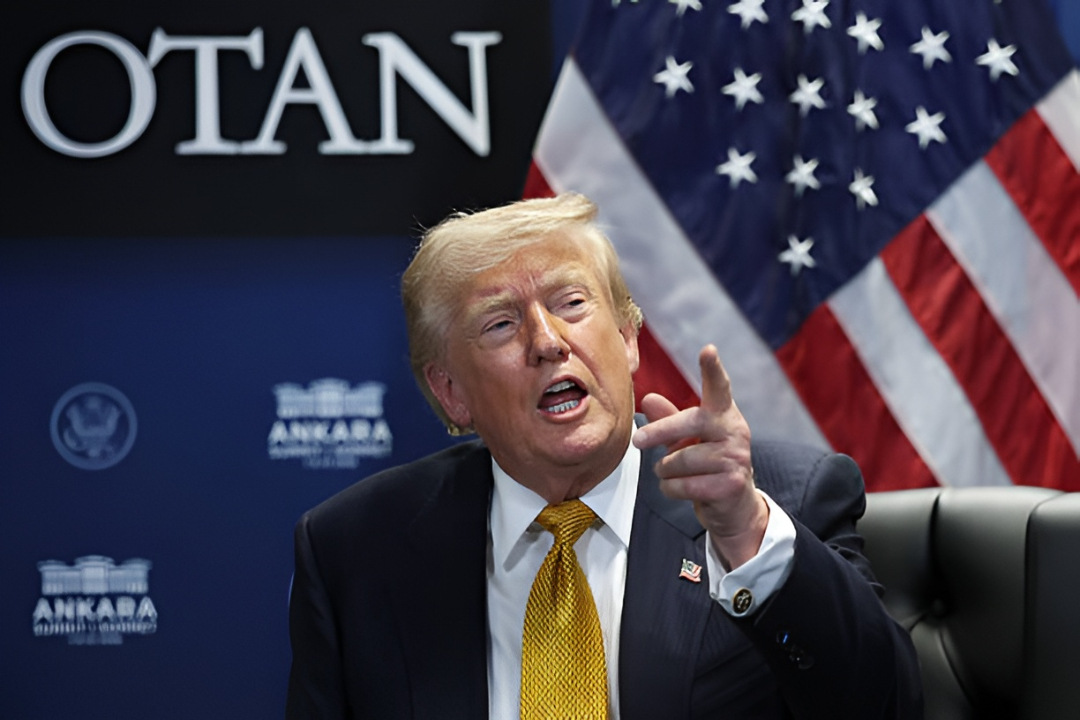
Trump has previously threatened a 100 percent tariff on BRICS countries if they form a unified currency or support another currency that would replace the U.S. dollar. But the BRICS itself has no clear policy of replacing the United States or the dollar. India has also said that its attempts to strengthen cross-border payment connectivity are aimed at boosting trade, not posing a direct challenge to the U.S. currency.
So the U.S.-BRICS relationship remains difficult. Washington is increasingly cautious of the bloc’s economic and geopolitical goals, and several BRICS members still have significant bilateral ties to the United States. Washington has slapped tariffs on several BRICS countries, including China, Russia, and India, while President Donald Trump has called the grouping “anti-American” in the past. He threatened more tariffs on countries that sided with it.
A Bigger Challenge for a Larger Submit
The New Delhi summit also laid bare the biggest challenge facing BRICS as it expands: persuading countries with wildly different political systems, economic priorities, and foreign policy interests to agree on anything. Putin wanted more UNSC seats for Asia, Africa, and Latin America. He also said that the established powers were fighting the transition to a multi-polar world.
More members mean more power but also make consensus on complex international issues harder to reach. Iran, the UAE, China, Russia, and India have differing views on global conflicts, highlighting the difficulty for the BRICS to forge a single position.
But the adoption of the New Delhi Declaration proved that consensus is still possible when people focus on their commonalities. Meanwhile, the bloc urged countries to work together on protecting maritime security, global trade, and supply lines and flows of energy. This is because wars make it difficult for businesses to work with each other.
What Comes Next
The importance of the BRICS Summit 2026 will rest on implementation. India’s chairship has placed resilience, innovation, cooperation, and sustainability at the core of the group’s agenda. The declaration sets out a framework for future work, but the ability of member countries to turn those commitments into practical projects will determine its impact.
China will hold the BRICS chairship in 2027 and host the next summit. The New Delhi summit was an important diplomatic moment for India. For the BRICS, it revealed both the opportunities provided by its enlargement and the challenges of holding together such a diverse group.