


See more of our trusted, verified journalism when you search on Google.
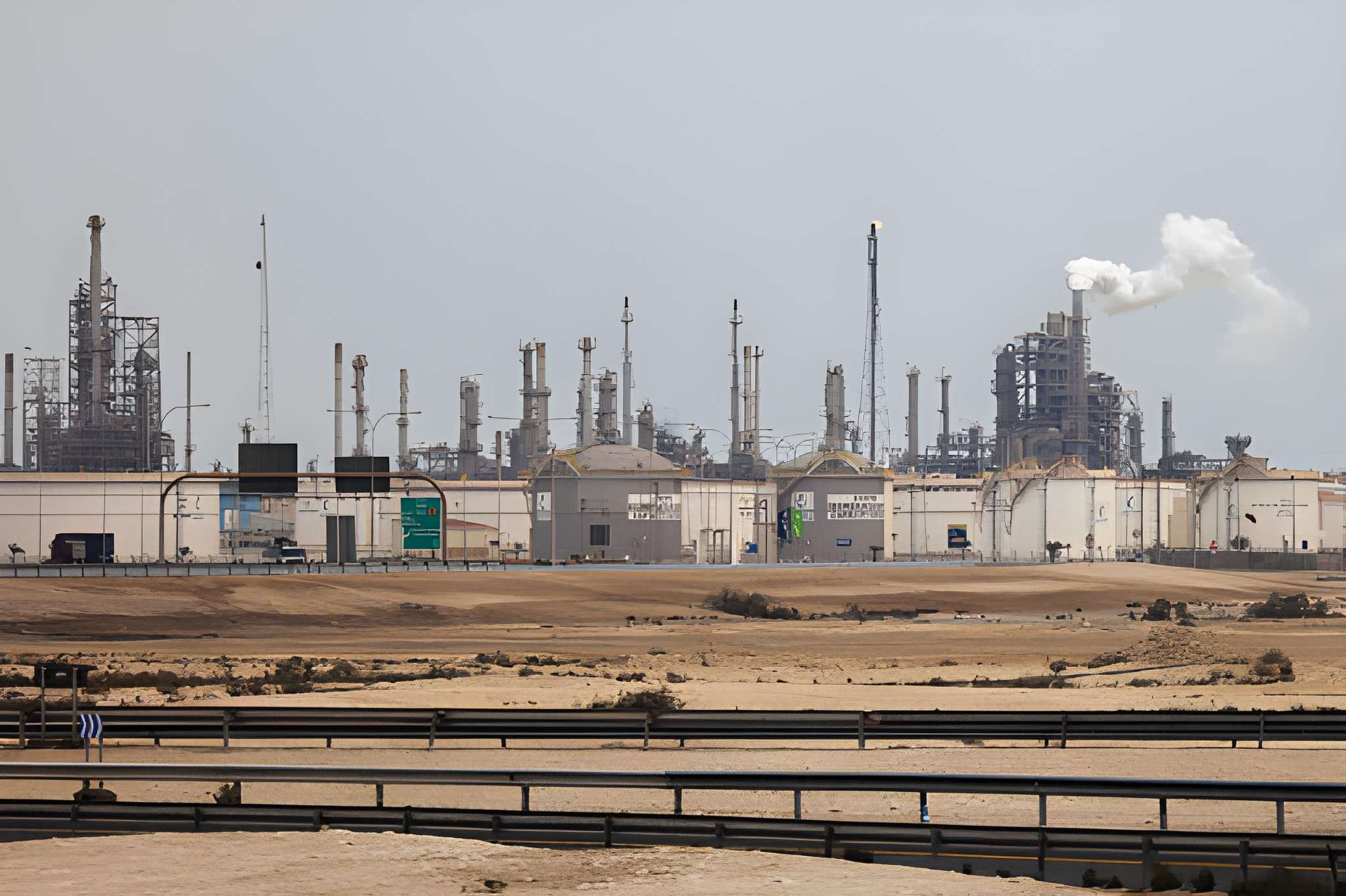
Iran Attack on Qatar’s energy infrastructure have knocked out 17% of the country’s liquefied natural gas export capacity, dealing a major blow to one of the world’s most important gas suppliers and sending fresh shockwaves through global energy markets. QatarEnergy CEO Saad al-Kaabi said the damage to two LNG trains and one gas-to-liquids facility at Ras Laffan will sideline 12.8 million metric tons per year of production for three to five years, a disruption with consequences far beyond the Gulf.
The scale of the hit matters because Qatar sits at the center of the global LNG trade. Ras Laffan is the world’s largest LNG hub, and any sustained outage there raises immediate concerns for buyers in Asia and Europe. Kaabi said the damaged facilities alone represent around $20 billion in lost annual revenue, while the wider fallout is already being felt across other export streams, including condensate, LPG, helium, naphtha and sulfur.
Qatar has also warned that force majeure may be declared on some long-term LNG contracts, a move that could affect major importers including Italy, Belgium, South Korea and China.
The Iran Attack, Qatar LNG crisis comes after a rapid escalation in the region’s broader energy conflict. After strikes hit Iran’s South Pars gas infrastructure, Tehran retaliated against Gulf energy assets, including Qatar’s Ras Laffan industrial zone. U.S. President Donald Trump said on March 18 that Israel carried out the South Pars strike and that neither Washington nor Doha was involved.
He also warned Iran against targeting Qatar, a key U.S. ally that shares the giant gas field with Iran. The fallout now extends far beyond LNG alone. QatarEnergy CEO Saad al-Kaabi said condensate exports are set to drop by around 24%, while liquefied petroleum gas exports will fall 13%.
Helium output is expected to decline 14%, and both naphtha and sulphur exports will slip by 6%. Even so, the damage in Qatar now stands as one of the clearest signs that the conflict has crossed into a full-scale threat to the world’s energy system.
For global gas buyers, the timing could hardly be worse. Traders and analysts have warned that a prolonged loss of Qatari supply would tighten an already nervous LNG market, especially with shipping risks around the Strait of Hormuz adding another layer of uncertainty.
Reuters reported that European gas prices have surged, while Asian buyers are also bracing for stronger competition for cargoes. South Korea, one of Qatar’s key customers, said on March 20 that it does not currently expect a major disruption to domestic supply because it can turn to alternative sources, but officials acknowledged that the situation remains volatile.
The market impact is already reshaping expectations. Shares in U.S. LNG exporters including Cheniere Energy and Venture Global rose after the attacks, reflecting investor expectations that buyers may increasingly turn to North American suppliers if Middle East disruptions persist.
Japan’s JERA has also signaled that a prolonged crisis could push importers toward non-Middle East sources such as the United States and Canada. That shift would not happen overnight, but it underlines how the Iran Attack, Qatar LNG story is no longer just a regional security crisis. It is fast becoming a structural test of the global gas trade.
Inside Qatar, the blow could extend beyond the immediate outage. The attack has also cast fresh uncertainty over the country’s massive North Field expansion, one of the most closely watched energy projects in the world.
Kaabi said the expansion is now on hold and could face delays of more than a year. For a country that has built its economic model around long-term reliability in LNG exports, that is a serious setback.
What comes next depends on whether the conflict can be contained and whether energy infrastructure remains in the crosshairs. Qatar has insisted it had no role in the strikes on Iran and has urged all sides not to target oil and gas facilities. That appeal now looks more urgent than ever.
The Iran Attack, Qatar LNG disruption has exposed how quickly a regional military escalation can hit the global economy, lifting prices, rattling supply chains and forcing buyers to rethink where their future energy security will come from.
See more of our trusted, verified journalism when you search on Google.
