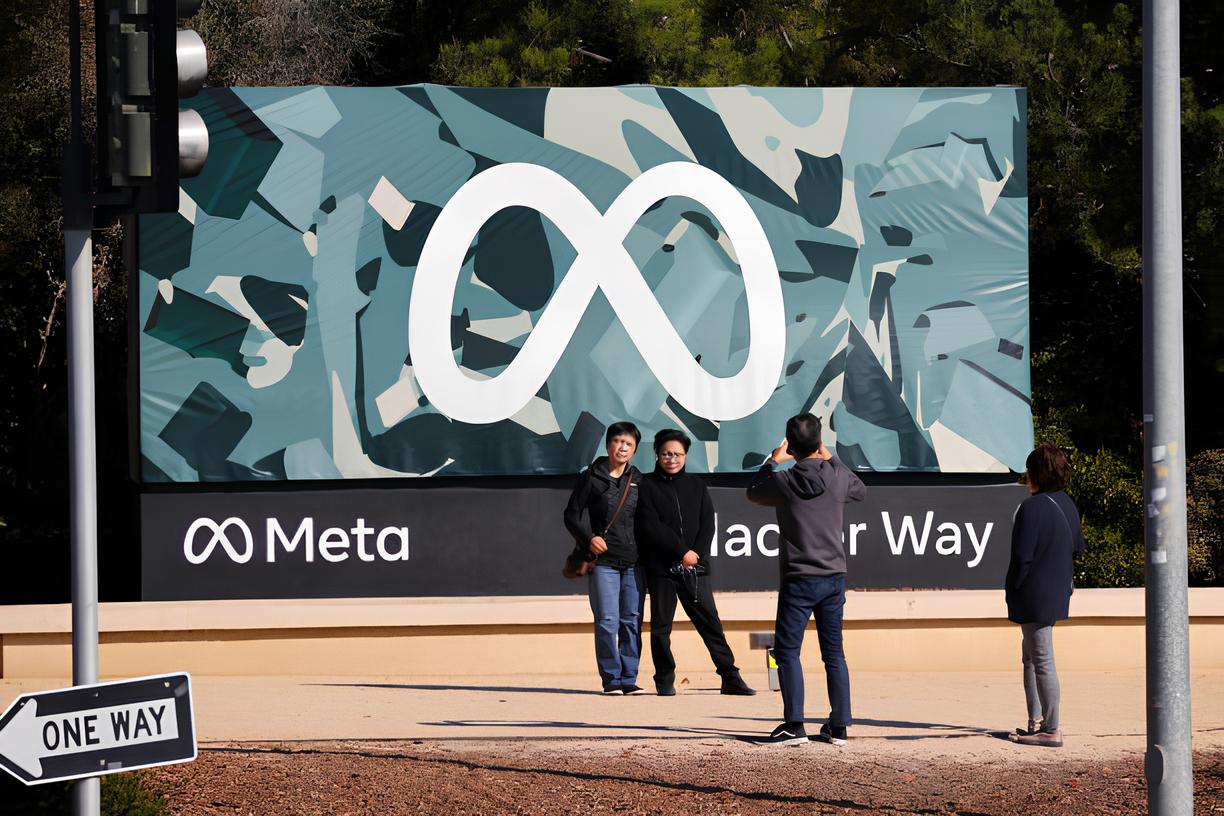
Meta is barreling into a courtroom battle that could alter not just its future but also the future of social media platforms for years to come. The heart of the 29 U.S. states’ claims in an ongoing federal trial in Oakland, California, is Meta’s $1.4 trillion case that it deliberately designed Facebook and Instagram to harm young users while minimizing the risks to the public.
Meta has said the damages could be Meta’s $1.4 trillion if the states win, a figure that is at the heart of the case. The number highlights the size of the battle and the pressure now on one of Silicon Valley’s most powerful companies, but legal experts said the chances of such a verdict are very slim in practice. A meta loss in a case this size could force fundamental changes in how young people use social media and in the design, regulation, and use of platforms like Facebook and Instagram by younger audiences.
Meta is accused of designing features such as algorithmic recommendations, infinite scrolling, notifications, and social feedback tools, like likes, to encourage heavy use by children and teens. The states also said the company collected data from users under the age of 13 without proper parental consent and potentially broke federal privacy law. Meta has categorically denied all the allegations.
Last week, the process of selecting a jury began, and opening statements are scheduled for Aug. 18. The states are presenting their case to U.S. District Judge Yvonne Gonzalez Rogers, the chief federal judge in California who is overseeing the case. The process is expected to take six to eight weeks. The first phase includes states like California, Colorado, Kentucky, and New Jersey. In further proceedings more states will join the wider coalition.
But the case also raises a larger question that’s become central to global debates over technology regulation beyond the financial stakes of Meta’s $1.4 trillion trial: How much responsibility should social media companies bear for the design of their platforms and the behavioral impact that those designs may have on younger users?
The states said Meta put user engagement and advertising revenue ahead of children’s safety. The filings say the company was aware of the platform’s design features that made teens particularly susceptible but aggressively marketed its services to younger users. The complaint cites internal documents showing that while Meta publicly touted safety improvements, it was also conducting research on compulsive user behavior patterns.
For Meta, the potential consequences are much greater than any possible monetary fine. A large monetary judgment would be expensive, but operational restrictions could force the company to rethink major parts of its business model, including how it keeps users engaged and how it targets content. Central to this debate is Meta’s $1.4 trillion ecosystem, where engagement is the primary method people use to interact with the text, photos, and videos they see online, influencing how billions of users view and respond to content daily.
The company has also criticized the scale of the damages being discussed in Meta’s $1.4 trillion, suggesting that the states are pursuing an extreme financial outcome rather than a balanced legal remedy grounded in evidence.
Also Read: Cracker Barrel CEO Steps Down After Stunning Logo Activist Pressure
This case is playing out at a time when Meta is already under widespread legal pressure across the United States. More than 3,000 lawsuits against social media companies have been consolidated in federal court, with plaintiffs claiming the platforms were intentionally designed to promote compulsive use and to expose young people to danger.
A federal appeals court recently allowed those cases to proceed, rejecting attempts by tech companies to have them thrown out early. Meta said it has already produced well over 2 million documents in discovery in a separate lawsuit brought by states against the company, highlighting the massive scale and complexity of the litigation now facing the tech giant.
What Meta’s $1.4 trillion case could mean for users: they could see changes directly in the apps. Meta could limit or rethink recommendation feeds, autoplay, endless scrolling, and other features. And age verification could get stricter too, with tighter controls on content for younger users.
None of these results are assured in Meta’s $1.4 trillion trial. Meta is expected to put up a strong defense, with appeals likely if the decision goes against it. Previous research by the company has also found that social comparison on Instagram was associated with increased loneliness, poorer body image, and more negative mood or affect among some users.
But the significance is plain. Meta’s $1.4 trillion figure is notable in its size, but the real challenge is how it disrupts the way Meta builds and operates Facebook and Instagram.