US consumer confidence declined again in August as Americans became more cautious about the economy, with gasoline prices remaining above $4 a gallon and concerns about inflation, jobs, and future business conditions lingering. The fall was a sharp reversal from late 2024 and early 2025, when confidence readings were consistently above 100.
The Conference Board said Tuesday its Consumer Confidence Index dropped to 89.4 in August from a revised 90.2 in July. The reading was the lowest in seven months, and the decline continued for the second straight month.
The report revealed a huge gap between consumers’ perceptions of current conditions and their expectations for the future. The Present Situation Index, at 121.2, rose 6.8 points, suggesting that Americans were slightly more optimistic about current business and labor-market conditions. But the Expectations Index slid to 68.2 from 74.0, extending its descent into negative territory.
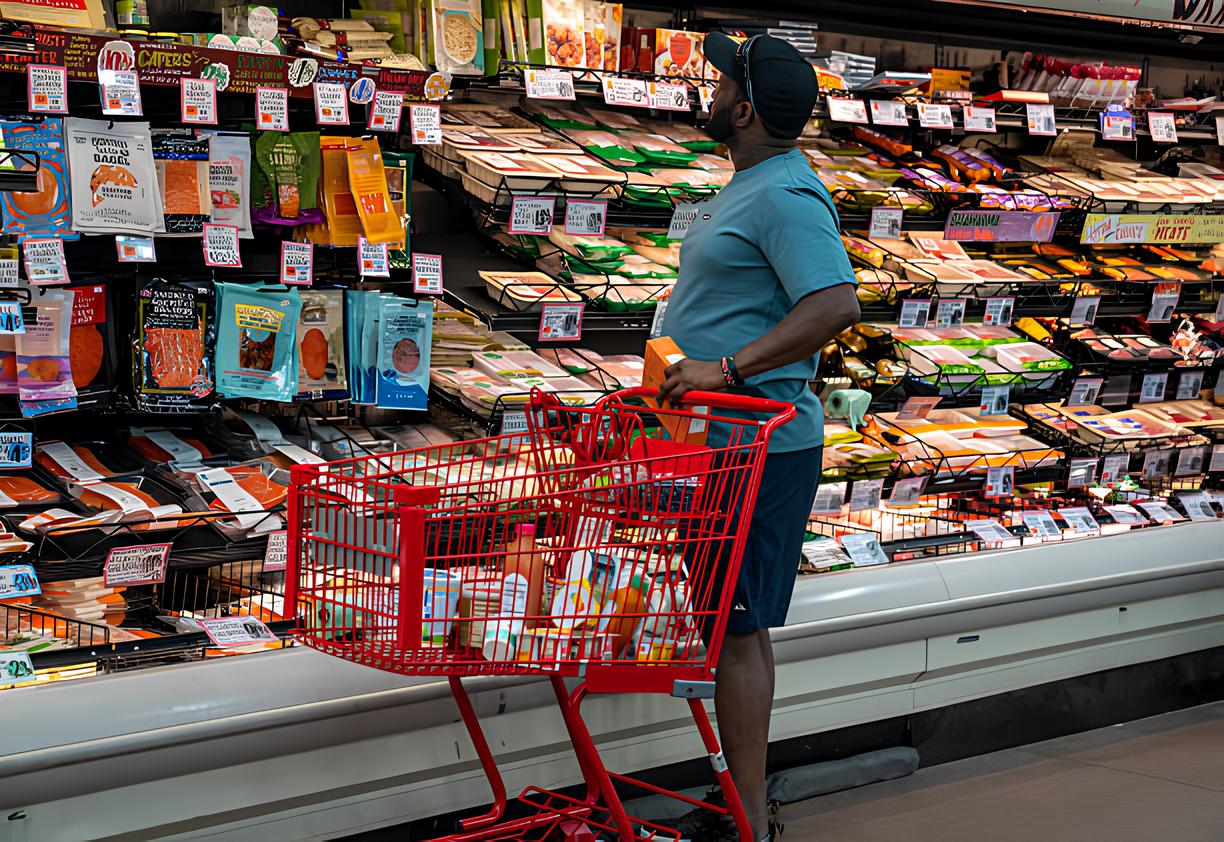
That decline in expectations is especially significant because it suggests increasing concern about the months ahead. After five years of high inflation, many Americans are frustrated by the high cost of everyday essentials, such as food, housing and gasoline. That continued squeeze on the US consumer could become a political liability for President Donald Trump and Republicans as the midterm elections loom, with less than 70 days to go. Consumers were more pessimistic about business conditions and the labor market, and household income expectations remained optimistic but moderated.
US consumers are feeling the pressure again, this time from gasoline prices. AAA said its survey, conducted between Aug. 3 and Aug. 16, showed consumers were slightly more pessimistic this month as fuel prices remained high. The national average for regular gasoline hit $4.09 a gallon on Aug. 27 and remained above $4 for the rest of the month, the most expensive August on record.
The Energy Information Administration reported on Aug. 24 that the national average price for regular gasoline was $4.085 a gallon, up 93.8 cents from a year ago. Higher crude-oil prices and continued instability around the Strait of Hormuz have pushed fuel costs higher for US consumers.
Strain is also visible among US consumers in the separate survey from the University of Michigan. Its last August reading showed a fall in consumer sentiment to 51.7 from 55.2 in July and 58.2 a year ago. The Current Economic Conditions Index and the Expectations Index also fell.
The Michigan survey & the Guardian Report found that households were more concerned about inflation. The proportion of consumers who cited inflation as the more serious potential hardship jumped to 36% in August from 23% at the start of the year. The personal consumption expenditures (PCE) price index, the Federal Reserve’s preferred inflation gauge, was up 3.7% in June from a year ago, underscoring continued pressure on household budgets. The researchers said consumers also expected gasoline prices to rise further.
As we head into the fall, the US consumer faces a tough backdrop with a mix of expensive fuel, stubborn inflation, and a surprisingly weak labor market. July’s addition of 23,000 jobs raised concerns that the economy is losing momentum. Higher gasoline prices can also increase transportation costs that could lead to higher prices for other goods and services, in addition to pinching household budgets directly.
Thus, the confidence numbers for August provide a mixed picture for the US consumer. Americans felt better about the current state of the economy, but their outlook soured sharply. Unemployment slipped to 4.1%, but higher gas prices and persistent inflation continued to pinch household budgets. Gas prices are still around $4 a gallon and the next couple of months will be crucial to whether consumer spending can hold up.