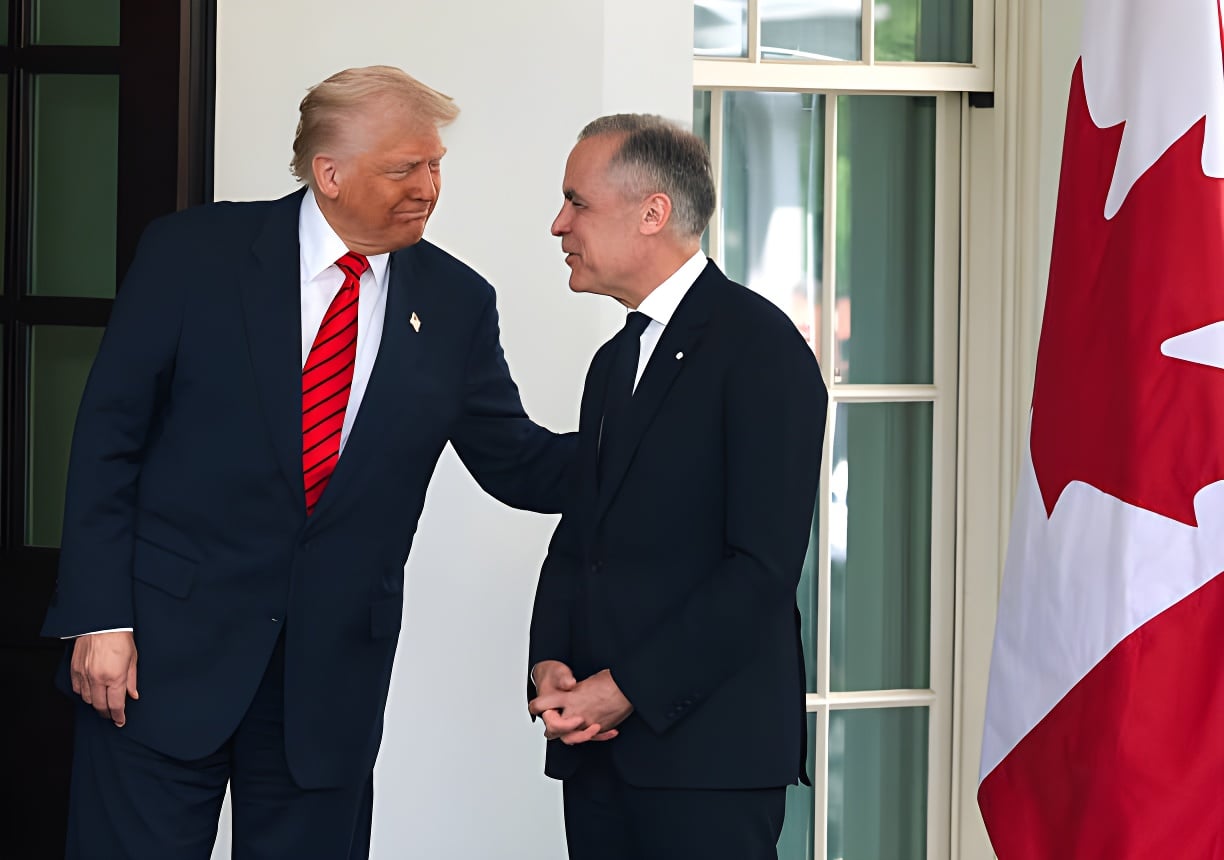
The United States has announced sweeping new Canada tariffs, with President Donald Trump unveiling a 50% tax on a slew of Canadian imports, a move that already has experts warning of a renewed trade war between the two neighboring economies.
The tariffs, targeting some $20 billion of Canadian goods, come amid continuing disputes in key sectors, including automobiles, dairy, and alcoholic beverages. It is one of the most aggressive trade actions against Canada in years and marks a significant escalation in tensions between the two long-time allies.
“Trade relations take a sharp turn.”
The tariffs are aimed at what the administration has labeled “unfair trade practices” by Canada in areas where U.S. producers have long complained about barriers to market access, say officials familiar with the policy. The move comes after months of tense negotiations and mounting frustration over unresolved trade disputes.
Canada is one of the U.S.’s largest trading partners, sending billions of dollars worth of goods to the U.S. market every year. Canada’s new tariffs will likely hit a range of industries from car manufacturing to agriculture and could disrupt supply chains that have become deeply integrated over decades.
Canada Says Retaliation May Follow
Canadian officials have responded swiftly to the new Canada tariffs, warning that retaliatory measures are under consideration. Government representatives in Ottawa emphasized that they are reviewing the tariffs and consulting industry leaders to determine an appropriate response.
Trade experts say retaliation could mean counter-Canada tariffs on U.S. exports, a move that would likely escalate the dispute and hit businesses on both sides of the border. Previous trade disputes between the two countries have led to retaliatory measures affecting sectors including steel, aluminum, and agriculture. Canadian Prime Minister Mark Carney said his government had tabled extensive proposals to settle the trade row with Washington, saying Trump’s previous tariffs violated the North American trade pact.
Economic Impact and Industry Concerns
Economists say new tariffs on Canada could have far-reaching effects. Higher import costs could mean higher prices for consumers and less competitive businesses that depend on cross-border supply chains.
These Canada tariffs will in particular put immediate pressure on the automotive sector. The Canada tariffs could disrupt production and increase costs for manufacturers, as many vehicles and parts come from a highly integrated North American system.
Also Read: Asia Stock Market Tumbles as Gulf Conflict Fuels Oil Surge; Kospi Crashes 7%
Agricultural producers are also bracing for potential fallout. Canadian dairy and cheese exports, already a point of contention in past negotiations, are likely to be among the hardest hit.
Risk of a Broader Trade War
The announcement has amplified fears of a broader trade war between the United States and Canada. “Canada tariffs are fairly common,” said Anil Arora, a Toronto-based economist at BMO Capital Markets, “but the size of the tariffs is huge, and we could be entering a period of economic uncertainty.”
Trump’s new tariffs are set to go into effect August 19 and will apply even to goods that would normally qualify for exemptions under the USMCA trade pact. But the administration has carved out exemptions for several important sectors, including energy products, potash, fish, critical minerals, and a host of products already subject to Section 232 tariffs.
Investors eagerly watched developments for indications of escalation as financial markets responded warily to the news. In light of the current trade environment, companies that operate internationally are likewise reevaluating their plans. Carney would have no power to force provinces to resume selling American booze, according to Diamond Isinger, a former top advisor to former Prime Minister Justin Trudeau on U.S.-Canada relations.
For now, the introduction of these Canada tariffs marks an important turning point, underscoring the fragile nature of international trade relationships and the potential consequences of policy shifts on a global scale.