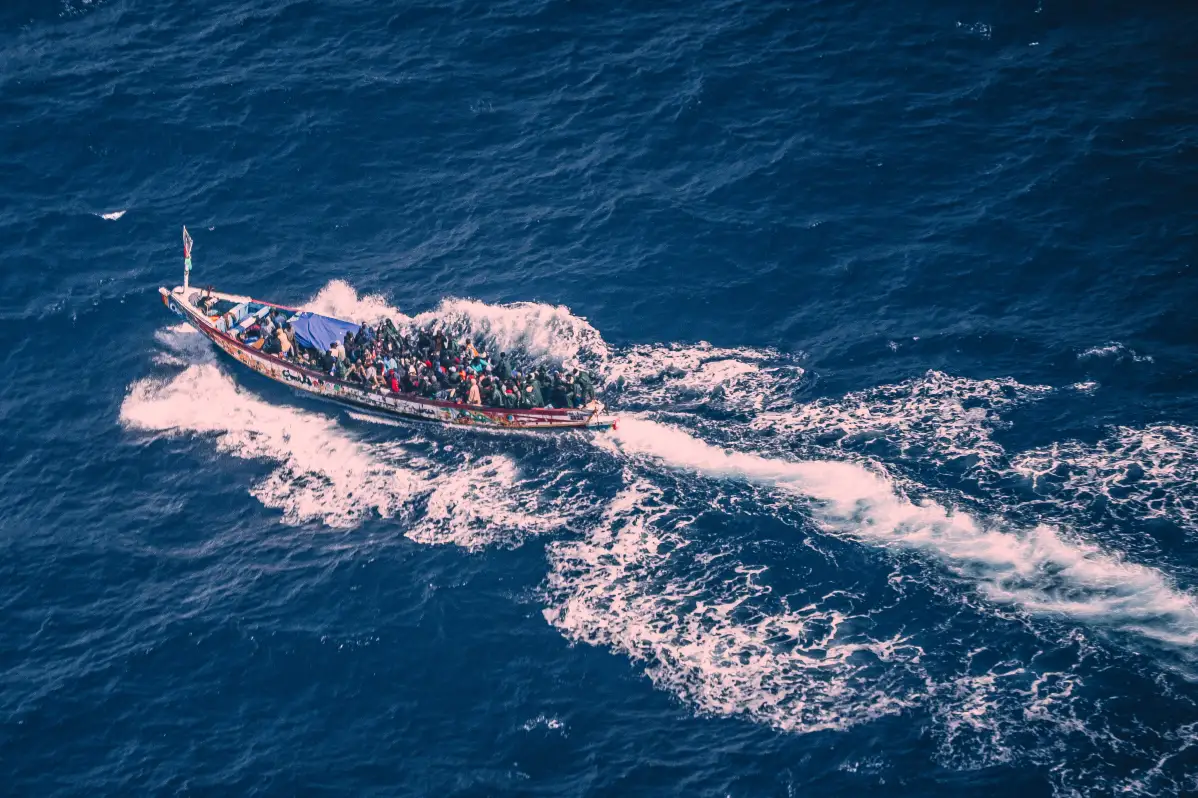
Spain’s Canary Islands saw the highest number of migrant arrivals in a single 24-hour period, highlighting the growing pressure on one of Europe’s main migration routes from West Africa. More than 2,100 people arrived in the Spanish archipelago in overcrowded boats, beating the previous one-day record set only two weeks ago.
According to Reuters, maritime rescue service data showed that the latest Canary Islands migrant arrivals exceeded 2,100 within 24 hours. The previous record was around 1,500 arrivals. Most of the boats arrived at El Hierro, a small island with some 11,400 residents that has become a major point of entry for migrants bound for Europe.
The new arrivals have raised concerns about whether local authorities can cope with sudden surges in migration while maintaining essential services and providing humanitarian assistance.
El Hierro Faces Growing Pressure From Migrant Arrivals
El Hierro has experienced repeated increases in arrivals during November. Local authorities said more than 3,300 people have arrived on the island in around 30 boats since the beginning of the month, according to an earlier Al Jazeera report.
The situation had already raised concerns about accommodation, health care facilities, and resources to assist new arrivals. Those challenges have been increased by the latest record, particularly given the island’s relatively small population and limited ability to deal with large numbers of people arriving in a short period.
The Canary Islands are increasingly becoming a key arrival point for people attempting to reach European territory from West Africa. But the fact that arrivals are concentrated on smaller islands such as El Hierro makes the humanitarian response particularly difficult.
Dangerous Atlantic Crossing
The crossing of the Atlantic from West Africa to the Canaries is still very dangerous. Migrants often make long journeys on overcrowded boats through strong currents and changing weather conditions.
Reuters reported that one migrant was found dead aboard a boat during the latest arrivals. Another woman gave birth while travelling across the Atlantic.
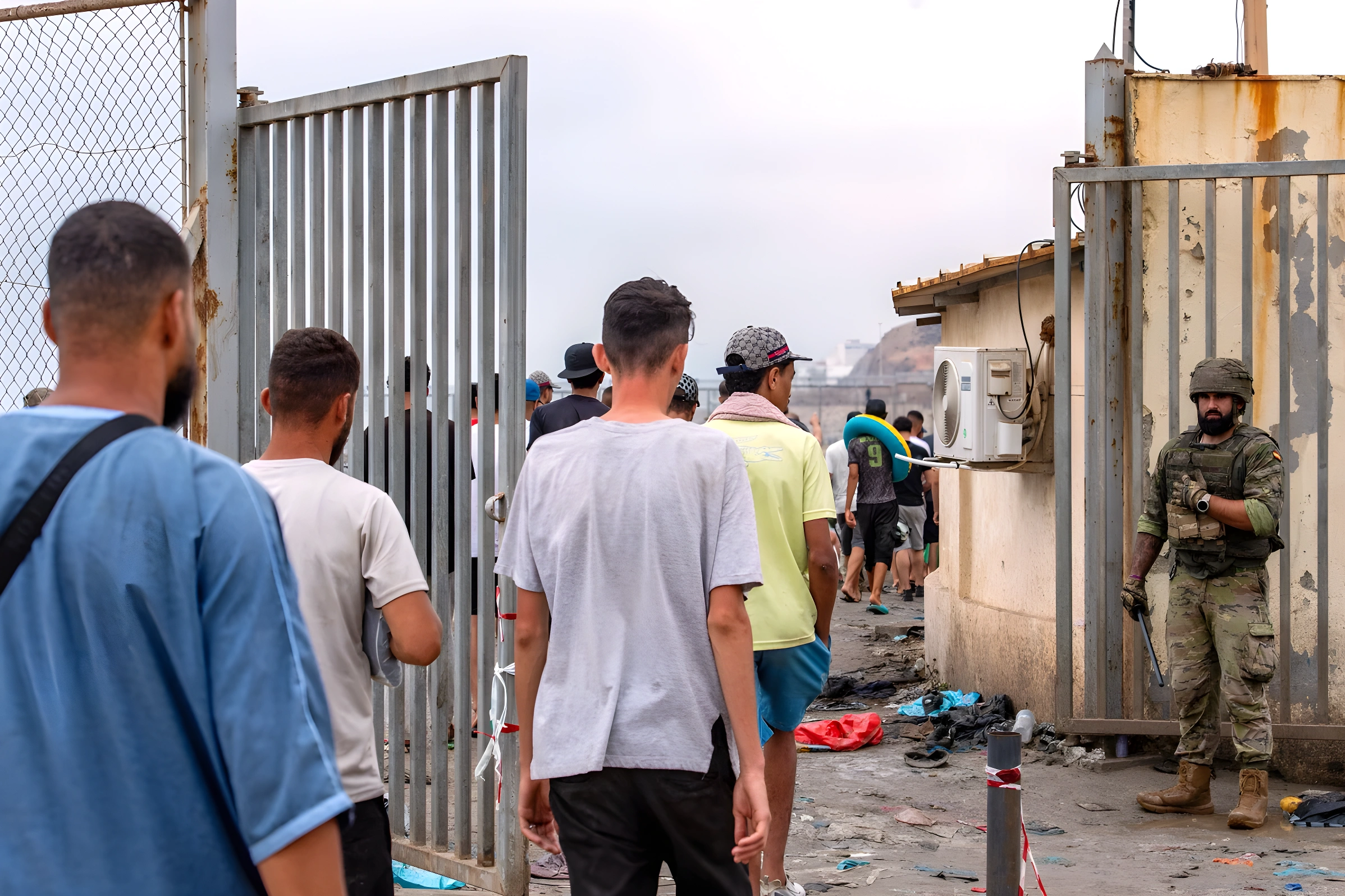
The incidents highlight the human risks behind the growing figures for migrant arrivals in the Canary Islands. Many people risk the journey to look for safety, employment and better living conditions despite the risks of crossing open waters in poorly equipped vessels.
Arrivals generally increase in the autumn when sea conditions can become more favourable for departures from parts of West Africa.
Spain’s Prime Minister Pedro Sanchez said Europe needed a holistic approach to migration, Reuters reported. He insisted on more cooperation at the border with Senegal and Gambia to address irregular departures.
Sanchez also stressed the need to create legal migration pathways for workers in sectors suffering labor shortages, including parts of the housing industry.
Fernando Clavijo, the regional president of the Canary Islands, also called for increasing European involvement. He requested an urgent meeting with European Commission President Ursula von der Leyen, arguing that the islands were unable to continue to manage the escalating pressure without additional assistance.
2026 Arrivals Exceed Last Year’s Total
The latest figures show how significantly migration activity has increased during the final months of 2026.
Reuters reported that 28,103 migrants had arrived in the Canary Islands by late November. This total was already above the total number recorded in 2025 but below the annual record of 46,843 arrivals recorded in 2024.
In the previous two months, nearly 21,000 people had arrived in the archipelago, indicating the scale of the recent surge.
The record number of migrants arriving in the Canary Islands is a continuing challenge for Spain and the European Union. Authorities also need to continue rescue operations and provide adequate humanitarian support to people arriving on the islands, as well as strengthen border management.