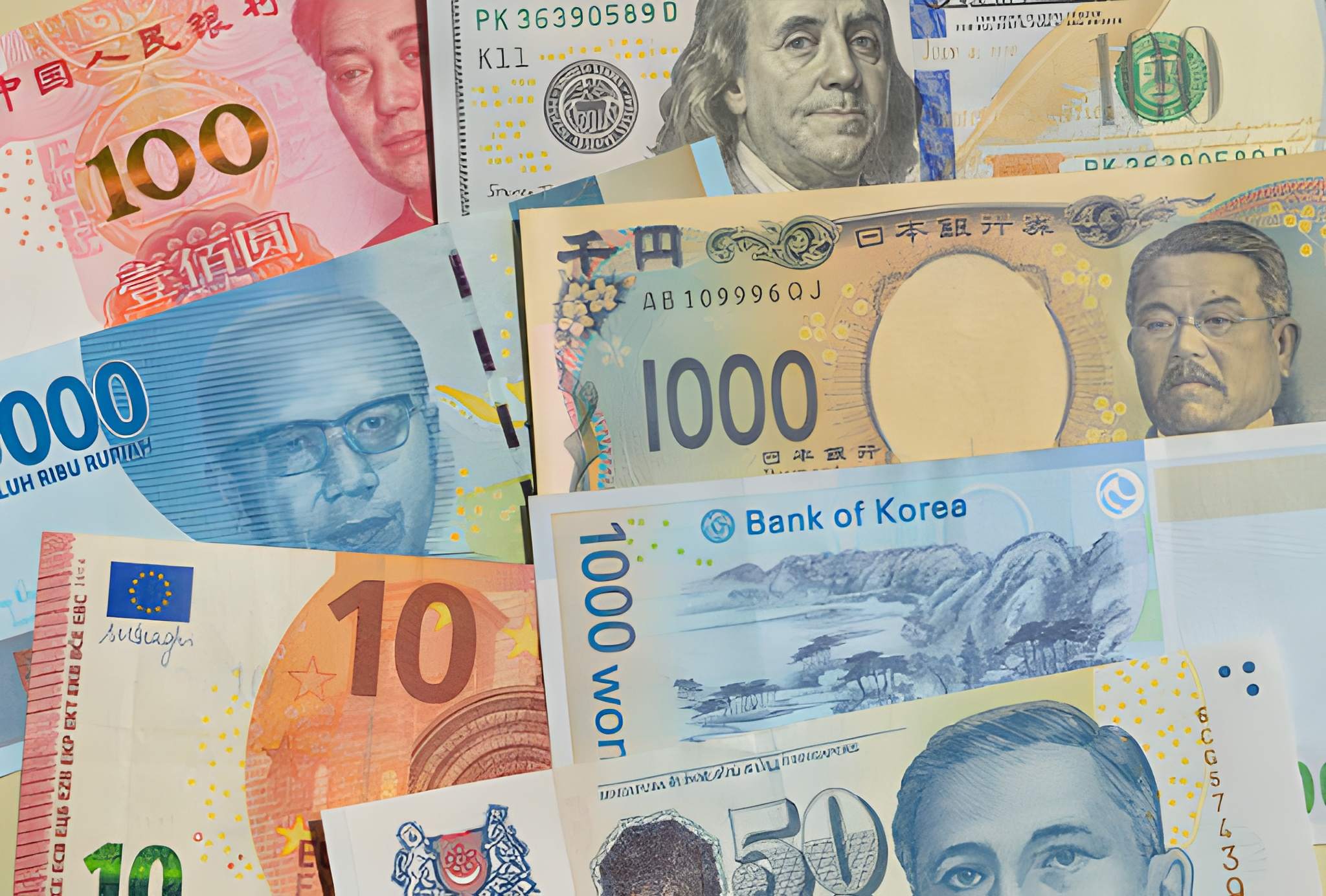
Among the world’s 10 largest foreign exchange reserve holders, China ranks first with $3.4 trillion, almost three times more than Japan ($1.3 trillion), and Switzerland ($932.3 billion) is in third place in world.
Notably, seven of the world’s 10 largest reserve-holding countries are located in Asia, reflecting decades of export-led growth. Foreign exchange comes from exports, foreign investment, tourism, and remittances, which play a vital role in maintaining a country’s economic stability.
Visual Capitalist published the list using data from the IMF’s International Reserves and Foreign Exchange Liquidity (IRFCL) database.
| Rank | Country | Foreign Exchange Reserves | Region |
| 1 | China | $3.4 Trillion | Asia |
| 2 | Japan | $1.3 Trillion | Asia |
| 3 | Switzerland | $932.3 Billion | Europe |
| 4 | Taiwan | $602.5 Billion | Asia |
| 5 | India | $543.0 Billion | Asia |
| 6 | Saudi Arabia | $458.6 Billion | Middle East |
| 7 | Hong Kong | $442.1 Billion | Asia |
| 8 | Russia | $434.5 Billion | Europe/Eurasia |
| 9 | South Korea | $423.1 Billion | Asia |
| 10 | Singapore | $419.3 Billion | Asia |
The importance of reserve accumulation became particularly evident after many countries in Asia experienced severe currency depreciation during the 1997 Asian financial crisis. The crisis forced many to seek external assistance. In the following years, governments in the region adopted a strategy of accumulating significant reserves to avoid major currency depreciations in the future and to maintain economic stability.
Also Read: Top 10 Exporting Countries in the World
Why Isn’t the United States in the Top 10?
The United States, the world’s largest economy, ranks 13th in the foreign exchange reserves rankings, according to Visual Capitalist. The reason the US ranks low is because the dollar serves as the world’s main reserve currency and dominates global trade, so the country generally does not need to store large amounts of foreign exchange.
Countries around the world rely on the US dollar for trade, investment, and central bank reserves, which enables the country to settle its obligations in its own currency.