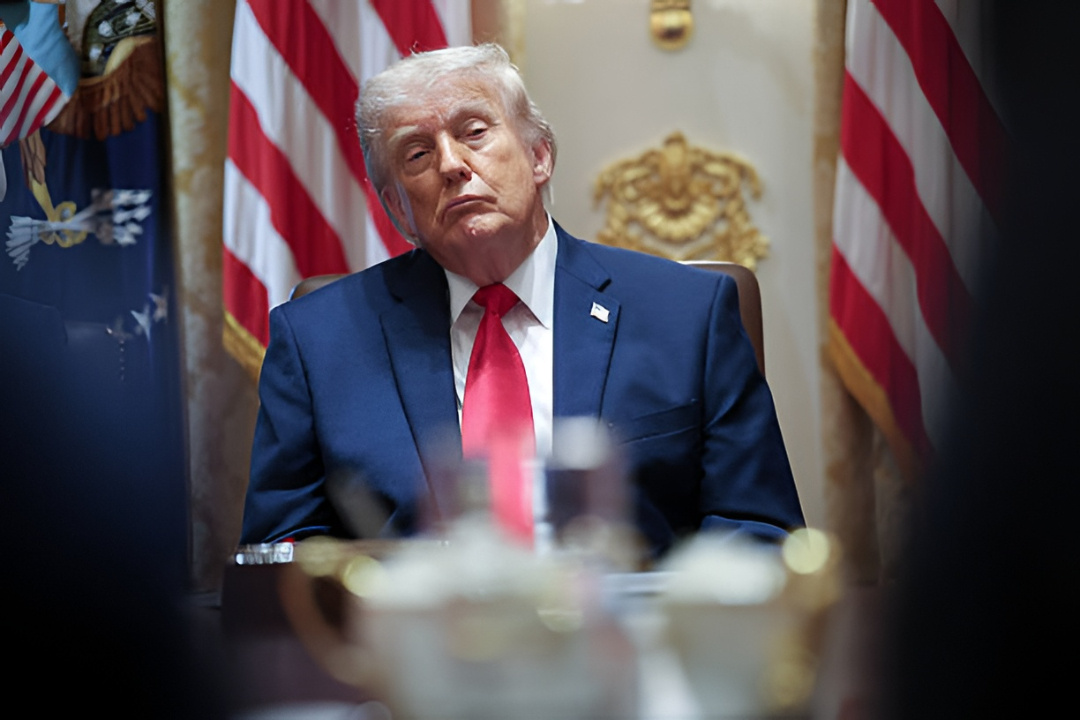
Washington, D.C. — U.S. President Donald Trump said Iran has signaled interest in negotiating a deal following recent U.S. military strikes, even as tensions continue to rise across the Middle East and uncertainty surrounds the future of any ceasefire in the ongoing US-Iran war.
Speaking during a public appearance, Trump said Iranian officials had reached out indirectly after the strikes, signalling a possible interest in returning to negotiations. He noted that while there may be an opening for diplomacy, the situation remains highly uncertain and could shift rapidly.
When asked whether the U.S. and Iran are heading back toward a full-scale military conflict, Trump replied, “I don’t know,” before adding that if the war were to resume, the United States would “win it very quickly.”
“Iran wants to make a deal,” Trump said, suggesting that recent U.S. military pressure in the ongoing US-Iran war may have influenced Tehran’s stance. He did not provide specific details about the nature of the communication or confirm whether formal negotiations had begun.
However, reports from Iranian media early Friday described a series of explosions in southern parts of the country, including Bushehr—where a major nuclear facility is located—as well as Konarak, Choghadak, and Bandar Abbas, heightening fears of rising tensions in the region.
Rising Tensions Across the Region
The latest developments in the US-Iran war come amid a sharp escalation in hostilities between U.S. forces and Iran-backed groups across the Middle East. Over recent weeks, U.S. military installations in Iraq and Syria have faced repeated drone and rocket attacks, prompting retaliatory strikes by American forces targeting militia positions linked to Iran.
Plans were later made to begin talks in Switzerland, focusing on key issues such as the future of the Strait of Hormuz, Iran’s frozen assets, long-term sanctions relief, and Tehran’s nuclear programme. However, the discussions were postponed as Israel continued its bombardment of southern Lebanon, where it currently occupies roughly one-fifth of the country.
Also Read: Tulsi Gabbard Resigns From Intelligence Role Following Husband’s Cancer Diagnosis
Pentagon officials have described the situation as highly volatile, stressing that Washington is not seeking a wider war but remains prepared to act decisively to protect its forces and strategic interests across the region.
They added that ongoing military activity and rising tensions have complicated diplomatic efforts, raising concerns that further escalation could derail already fragile negotiations and prolong instability in the Middle East.
Iran, for its part, has denied direct involvement in the attacks but has warned that continued U.S. military action could trigger wider consequences. Iranian officials have repeatedly called for an end to what they describe as “provocative” actions by Washington.
Ceasefire Prospects Remain Unclear
Despite Trump’s remarks about a potential deal in the ongoing US-Iran war, there has been no official confirmation from either U.S. or Iranian authorities that formal peace talks are underway. Diplomatic channels, often mediated by regional actors such as Oman and Qatar, are believed to remain open, but progress appears limited.
Talks had been expected to resume following the state funeral events in Iran, around July 11. However, after the United States carried out another round of strikes this week—reportedly the third such action during an ongoing period of diplomatic engagement and even coinciding with the funeral proceedings—the prospects for renewed negotiations have become increasingly uncertain. Analysts now warn that the current phase of the US-Iran war is defined by indirect confrontation rather than open conflict, complicating efforts to determine whether a ceasefire can be sustained or revived.
“The signals are mixed,” said a Middle East policy expert. “On one hand, there are indications of backchannel communication. On the other, military activity continues at a pace that suggests neither side is ready to fully step back.”
Iranian Foreign Minister Abbas Araghchi said in a Telegram post that he held phone discussions with his counterparts in Saudi Arabia, Turkey and Oman, as well as Pakistan’s army chief, Field Marshal Asim Munir, a key mediator in the US-Iran war. The diplomatic outreach signals renewed efforts to ease tensions and prevent further escalation in the ongoing US-Iran war.
Araghchi’s diplomatic outreach underscores growing regional efforts to contain the US-Iran war, as key Middle Eastern and South Asian actors seek to prevent further escalation. His conversations with counterparts in Saudi Arabia, Turkey and Oman, along with Pakistan’s military leadership, point to a coordinated push to revive dialogue and stabilize the situation amid mounting international concern.
Happens Next in the US-Iran War?
While Trump’s comments suggest a possible opening for negotiations, the path forward remains uncertain. Much will depend on whether both sides are willing to reduce military activity and engage in meaningful dialogue.
For now, the US-Iran war continues to cast a long shadow over the Middle East, with the risk of further escalation still very real. Observers say the coming days will be critical in determining whether the situation moves toward diplomacy or deeper conflict.